FILTER

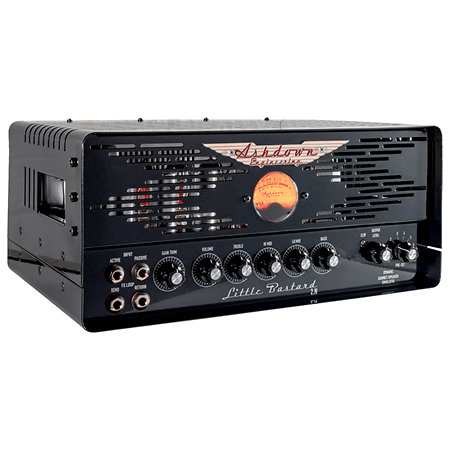
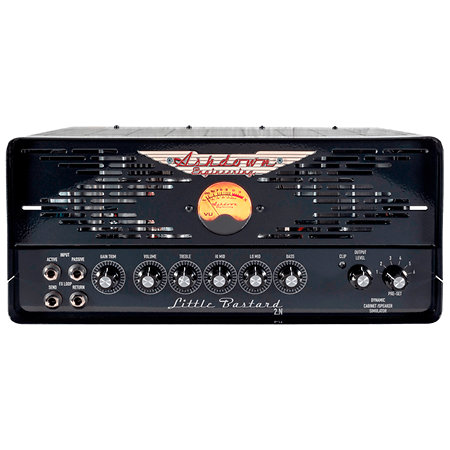
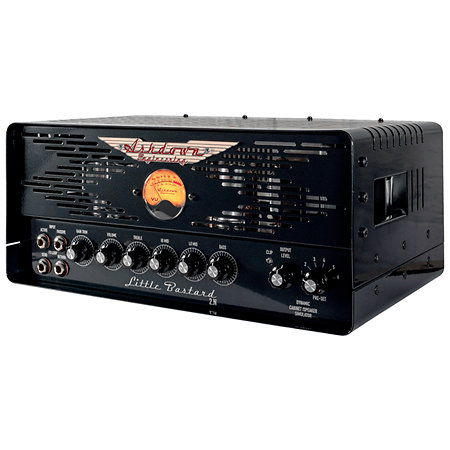


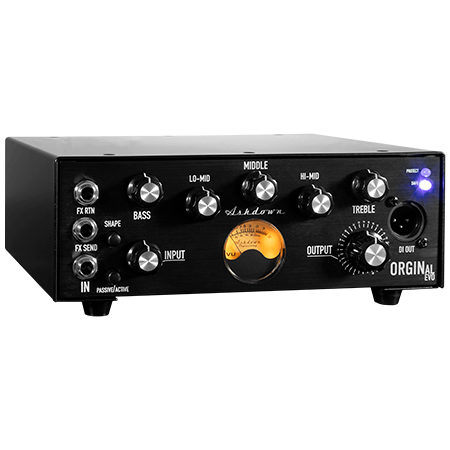
Ashdown - LB-30-2.N Little Bastard avec Two Notes Torpedo


Combining the classic sound of tube amps with modern amp modelling technology, the Little Bastard LB 30 2.N's 30-watt rated amp head won't rip your head off, but its EL84-equipped power section is more than enough for small gigs and at less than 10kg it won't put a strain on your back. Its preamp stage uses ECC83 and ECC82 tubes and features active and passive inputs, a front-panel effects loop and a 4-band EQ. It also features Two notes' Torpedo C.A.B. M modelling, a powerful tool for modelling the operation of a wide range of amp head and cabinet mixes, as well as room acoustics and mic placement, allowing you to control the sound of your configuration in depth.
Presentation
To bring you realism and playing comfort, Two notes has developed a unique technology based on an adaptation of convolution techniques. Starting with the measurement of a real speaker and pickup configuration, the integrated Two notes Torpedo can accurately reproduce the system as measured, as well as the position of the pickup in space.
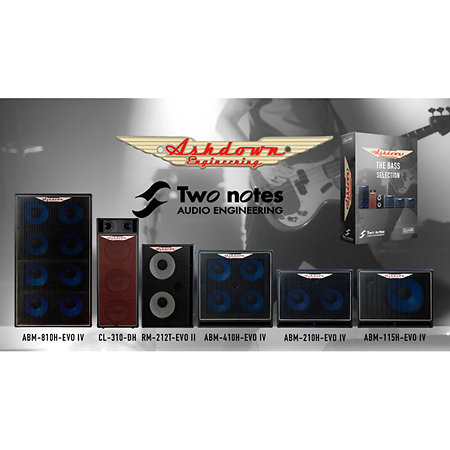
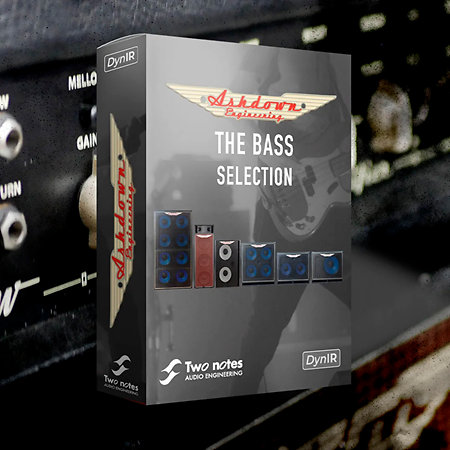
Particular emphasis has been placed on capturing a diverse range of cabinets covering the entire spectrum, from the renowned ABM range to the unique CL-310 cabinet designed for Guy Pratt.
The six-speaker range includes the ABM-810H-EVO IV, ABM-410H-EVO IV, ABM-210H-EVO IV, ABM-115-EVO IV, RM-212-EVO II and the CL-310 DH.
With the option of four more of the six captured with tweeters on top, giving you ten cabinets to choose from.
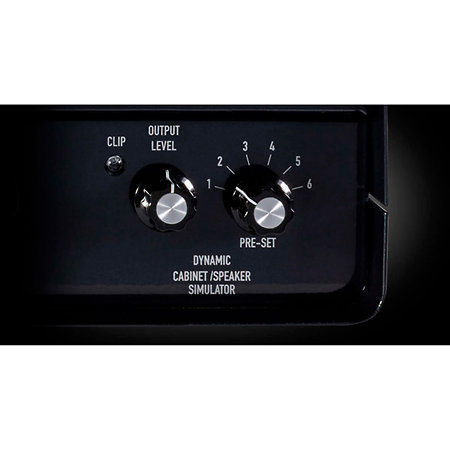
A 6-position rotary knob allows you to select one of the 6 preset emulated loudspeakers.
Features
Other features
-
Ashdown LB-30-2.N Little Bastard
-
Bass amp head
-
Technology : Lamp
-
Power : 30 W
-
Impedance : Minimum 4Ω
-
Amplifier tubes : 4x EL84
-
Preamp lamps : ECC81, ECC82, 2x ECC83
-
Vumeter
-
Equalizer : 4 bands
-
Pre-selection pot for cabinet simulations: 6 positions
-
Integrated Two Notes Torpedo (dynamic cabinet simulations)
-
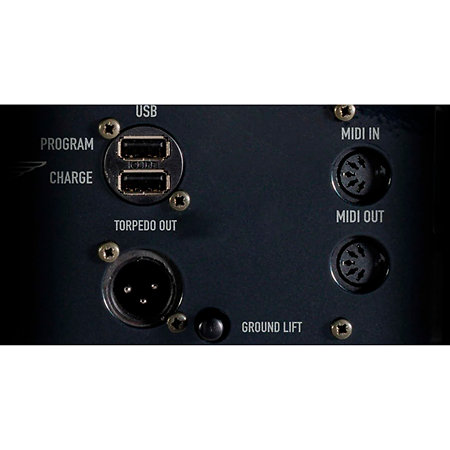
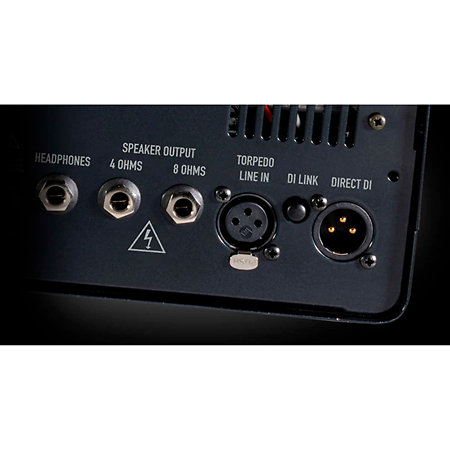
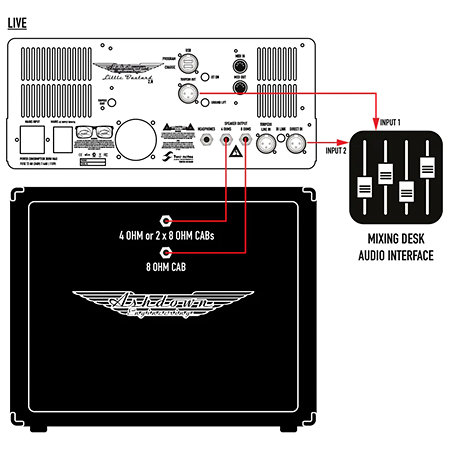
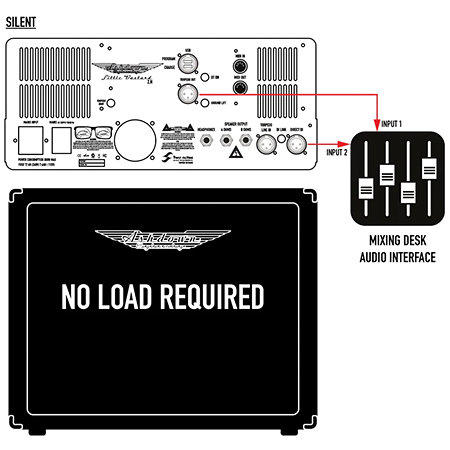
Torpedo Out to recover the sound once it has passed through the cabinet simulation of your choice
-
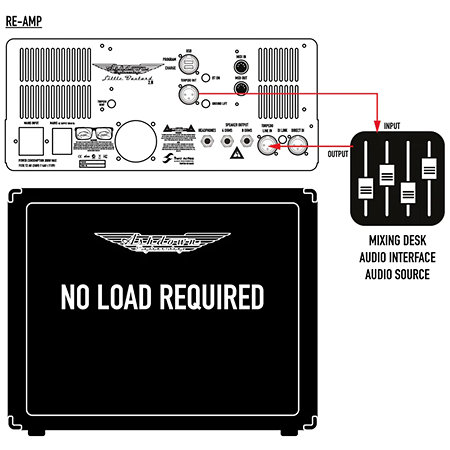
Torpedo Line In to take advantage of cabinet simulations during reamping operations
-
Connections :
-
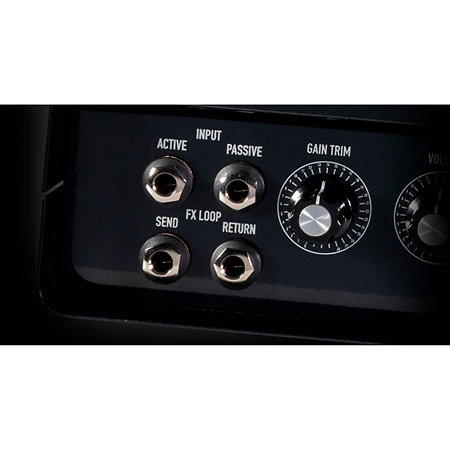
Guitar input: 2x Ø6.35mm jack (passive or active)
-
Line input: Ø6.35mm jack
-
Headphone output: Ø6.35mm jack
-
DI output: XLR
-
Output: XLR
-
Line output: Ø6.35mm jack
-
Tuner output: Ø6.35mm jack
-
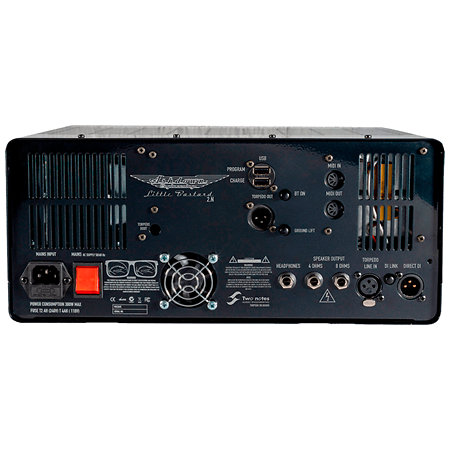
Speaker output: 2x Ø6.35mm 4Ω and 8Ω jacks
-
Effect loop: 2x Ø6.35mm jacks
-
MIDI IN/OUT: 2x DIN 5-pin
-
USB-B Program: for updating and modifying cabinet simulations
-
USB-B Charge: for recharging any USB device
-
Dimensions: 170 x 360 x 243mm
-
Weight : 9,82kg
To find out more...
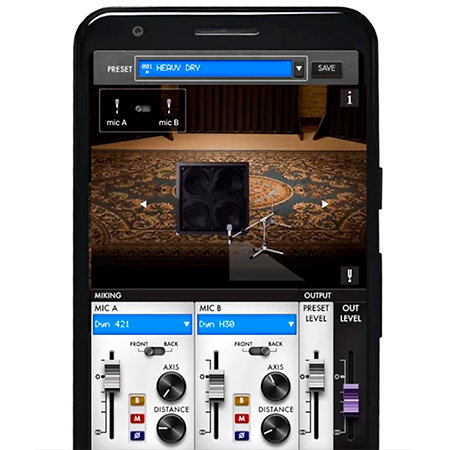
The speakers are complemented by a selection of eight recording mics, including classics such as the Neumann U47 and Royer 121 Ribbon for warmth and depth.
Other classics include the AKG D112, Shure SM57 and Sennheiser 421.
Other additions for an alternative include the Aston Element, Audix D6 and Electro Voice RE20.
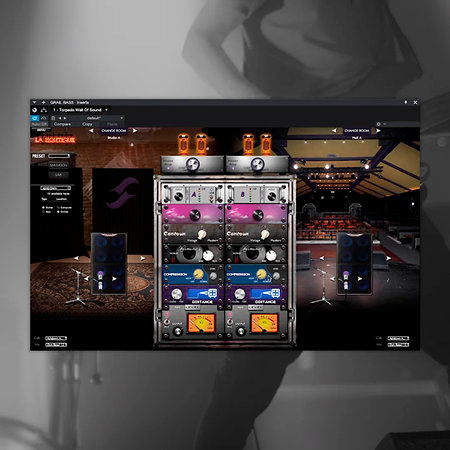
With the possibilities of such a diverse offering in terms of hardware and software applications with the Torpedo range of Captor X, Wall of Sound and C.A.B. M+ as well as the user interface via the Two notes Torpedo connected remote available via the App Store and Google Play.
From a 1952 Filmosound to the latest official Ashdown, Two notes has always pushed the boundaries to capture the full diversity of guitar and bass speakers.
Impulse responses are everywhere, everyone does them but they all share the same problem... They're static.
If you don't like the tone when using regular IRs, or if you want to change something, you have no choice but to delete it, then load another.
To get a full selection of tonal options, you need gigabytes of locally stored .wav files.
Every time you want to change something, you have to scour a huge library to find THE ONE.
Videos
You may also like




Spotlight on

Ashdown es uno de los líderes en amplificación para bajistas, cabezas de lámpara o combos poderosos en la serie MAG. ¡Esta marca se destaca con estilo!