
FILTER
FILTER
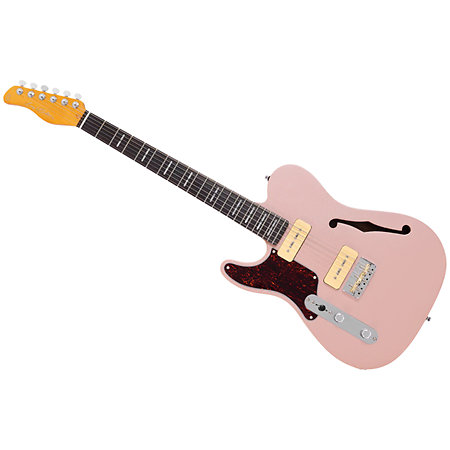
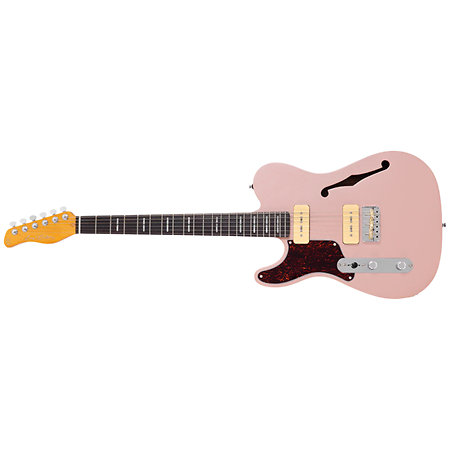
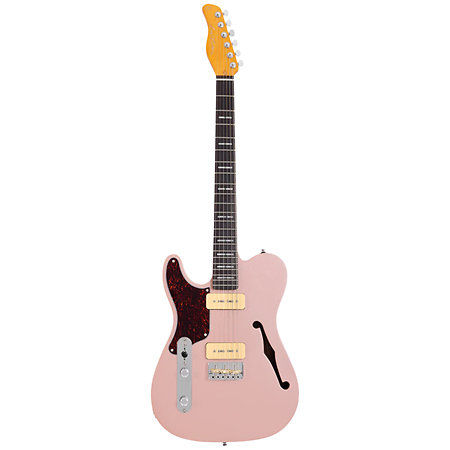


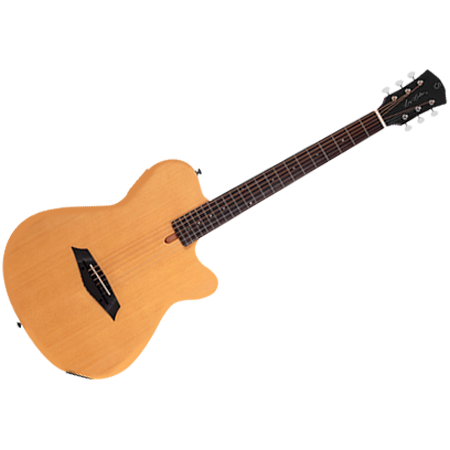
Larry Carlton - T7TM LH Rosegold
665,83 €
excl VAT
Out of stock
Guarantee 3
years

Fred

Eric
Do you need help?
Sire Larry Carlton T7TM LH Rosegold
ARTICLE N° 121974
Larry Carlton - T7TM LH Rosegold
Larry Carlton - T7TM LH Rosegold
665,83 €
excl VAT
Out of stock
Guarantee 3
years
Fred
Eric
Do you need help?
Features
Body shape
T-shape
Tuning machine
Locking
Instrument size
4/4, standard
Number of frets
22
Body Type
Chambered
Nut width
42,00 mm (1,654")
Neck material
Maple
Fingerboard material
Rosewood
Scale length
647,00 mm (25,47")
Top material
Marais ash
Pickup type
Passives
Fingerboard radius
241 mm (9,50")
Body material
Mahogany
Hardware color
Chrome
Electronic
Passive
Cutaway
Yes
Pickguard color
Tortoise
Left-handed instrument
Yes
Pickup setup
P90
Neck shape
C
Bridge shape
Vintage
Color
Pink
Assembly
Bolt-on neck
Artist
Larry Carlton
Packaging
Single unit
Number of strings
6
Other features
-
Sire Larry Carlton T7TM LH
-
Electric guitar
-
Series : T7
-
Size: T-shape with F-hole
-
Pitch : 647.7 mm
-
Colour : Natural (NT)
-
Top : Solid marsh ash
-
Bridge : Vintage T-shaped half bridge (brass saddle)
-
Neck : Hard maple, C profile
-
Fingerboard : Edgeless™ rosewood (rounded fret edges)
-
Radius : 241.3 mm
-
Number of frets: 22
-
Frets types: Medium Jumbo
-
Frets size : 2,7 mm
-
Nut: Bone, 42 mm wide
-
Tuners: Sire Premium locking tuners
-
Fittings finish: Chrome
-
Pickups: LC Vintage P90 pickups (soapbar type)
-
Controls: 3-position selector, volume, tone
-
Original strings: DR Dragon Skin+ DEQ-10 bass strings
-
Mahogany body with solid swamp ash top
-
Sire T shape with F-hole
-
P90 pickups with higher output and modern tone
-
Balanced output between neck and bridge pickups
-
4-bolt steel neck plate
-
Mother-of-pearl/abalone rounded rectangular block fingerboard markers
-
Chromed dome-type control buttons
-
Pickguard: tortoise shell (NT)
-
String spacing: 10.8 mm
-
Sire Premium locking tuners
-
Pickups designed to capture the full spectrum of sound
To find out more...
Larry Carlton also left his mark on studio guitarists by a rule he often applied during sessions: to construct a solo as a 'conversation', with short phrases and breaths, rather than a continuous demonstration.
In the 70s, he was one of the musicians capable of recording final parts directly onto analogue tape without editing, a very high standard in Los Angeles studios at the time.
He was also one of the first fusion guitarists to succeed in getting a very jazz sound accepted in mainstream pop productions without over-simplifying it.
In the 70s, he was one of the musicians capable of recording final parts directly onto analogue tape without editing, a very high standard in Los Angeles studios at the time.
He was also one of the first fusion guitarists to succeed in getting a very jazz sound accepted in mainstream pop productions without over-simplifying it.
You may also like


Spotlight on

Equivalent products

Tops of the brand
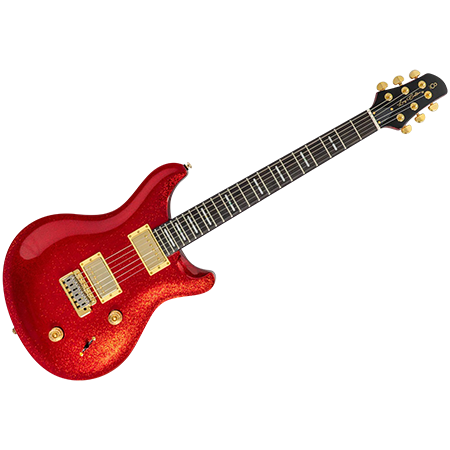
Larry Carlton - T7TM LH Rosegold
665,83 € excl VAT