
FILTER
FILTER
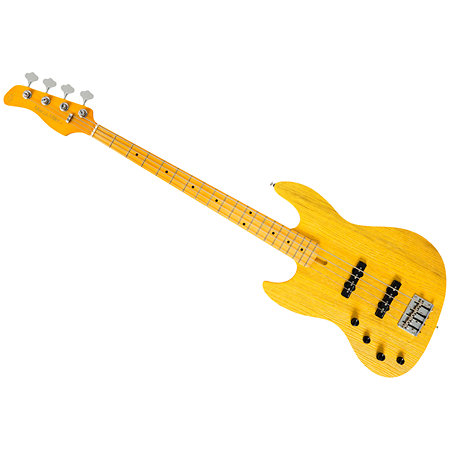
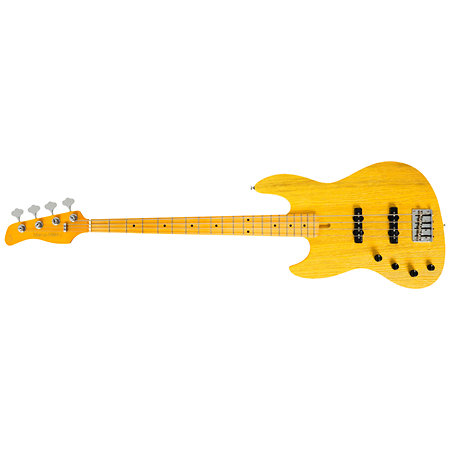
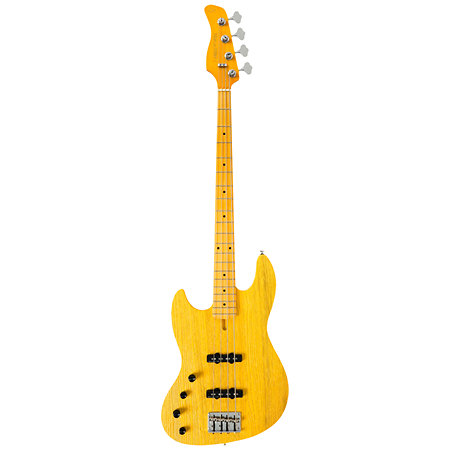
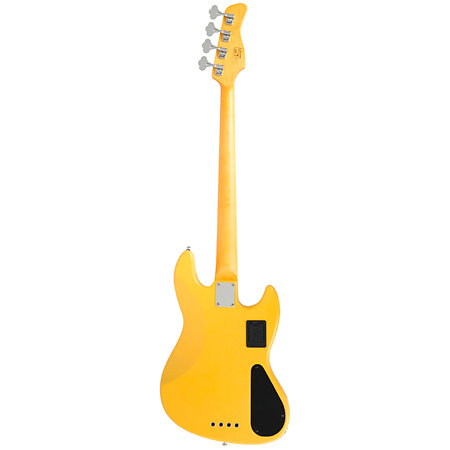


Marcus Miller - V6 4 Cordes LH Butterscotch
624,17 €
excl VAT
In Stock
Usually ships within 3 days
+infos
Guarantee 3
years

Fred

Eric
Do you need help?
Sire Macus Miller V6 4 Strings LH Butterscotch
ARTICLE N° 122278
Marcus Miller - V6 4 Cordes LH Butterscotch
Marcus Miller - V6 4 Cordes LH Butterscotch
624,17 €
excl VAT
In Stock
Usually ships within 3 days
+infos
Guarantee 3
years
Fred
Eric
Do you need help?
Features
Body shape
Type Jazz Bass
Tuning machine
Open tuners
Instrument size
Long scale (34")
Number of frets
20
Body Type
Solid body
Neck material
Maple
Fingerboard material
Maple
Scale length
860,00 mm (33,86")
Top material
Ash
Fingerboard radius
241 mm (9,50")
Body material
Mahogany
Hardware color
Chrome
Electronic
Active and passive
Cutaway
Yes
Bridge configuration
Fix
Left-handed instrument
Yes
Finish
Sandblaster
Pickup setup
JJ
Neck shape
C
Color
Butterscotch
Assembly
Bolt-on neck
Artist
Marcus Miller
Packaging
Single unit
Number of strings
4
Other features
-
Sire Marcus Miller V6 4 strings LH
-
Electric bass
-
Series : V6
-
Format: Jazz Bass (Marcus Miller Jazz shape)
-
Pitch: 863.6 mm
-
Colour : 3 Tone Sunburst (3TS)
-
Finish : Sandblasted
-
Top : Solid ash
-
Back : Mahogany
-
Bridge : Marcus Miller Modern-S Bass Bridge
-
Neck : Hard Maple, C-profile
-
Fingerboard : Hard maple with Edgeless™ rounded edges
-
Radius: 241.3 mm
-
Number of frets: 20
-
Frets types: Medium
-
Fretsize: 2.4 mm
-
Nut: Bone, 38 mm wide
-
Tuning: Premium lightweight open tuners
-
Fittings finish: Chrome
-
Pickup: Marcus Super-J Revolution set
-
Pre-amplification: Marcus Heritage-3 (without midrange adjustment)
-
Controls: Volume/Tone, pickup balance, treble/midrange, bass (push/pull for passive mode)
-
Original strings: DR Dragon Skin+
-
Lightweight body designed to reduce fatigue and improve playing comfort
-
Mahogany body with solid ash top
-
String spacing: 20 mm
-
Neck attachment: 4-screw steel plate
-
Markers: dots
-
Buttons: black aluminium
-
3-band active preamp
-
Lightweight design with full sound
-
Finish highlighting the natural grain of the wood
To find out more...
Larry Carlton also played a key role in the way the guitar was integrated into high-level jazz-fusion productions: he favoured compact voicings, often in the middle of the neck, to avoid obscuring the other instruments.
He is known for his ability to improvise long, coherent lines over changing harmonies without losing the melodic thread, which was particularly appreciated in the studio.
His work remains a benchmark for understanding how a guitarist can be both discreet in the mix and central to the musicality of a track.
He is known for his ability to improvise long, coherent lines over changing harmonies without losing the melodic thread, which was particularly appreciated in the studio.
His work remains a benchmark for understanding how a guitarist can be both discreet in the mix and central to the musicality of a track.
You may also like


Spotlight on

Equivalent products

Tops of the brand


Marcus Miller - V6 4 Cordes LH Butterscotch
624,17 € excl VAT