
FILTER
FILTER
UVI - Key Suite Electric
This product is no longer available for sale
These models in stock may be of interest to you:





165,83 €
excl VAT

Anais

Tristan
Do you need help?
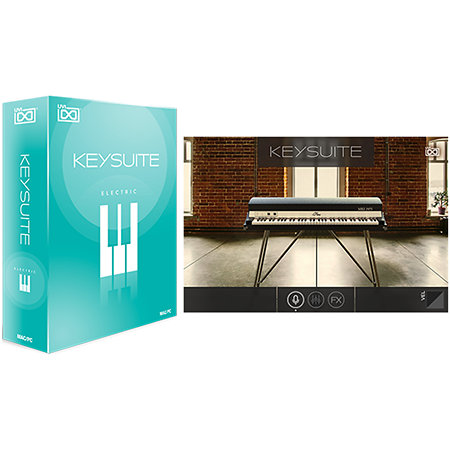
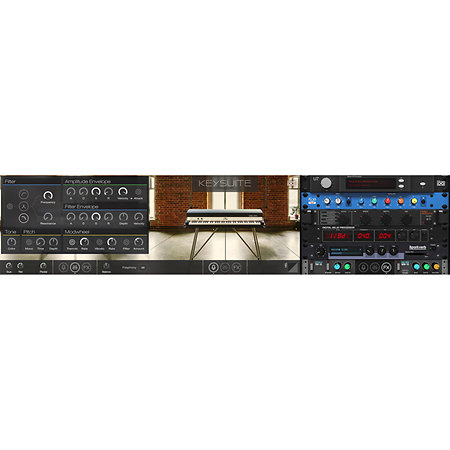
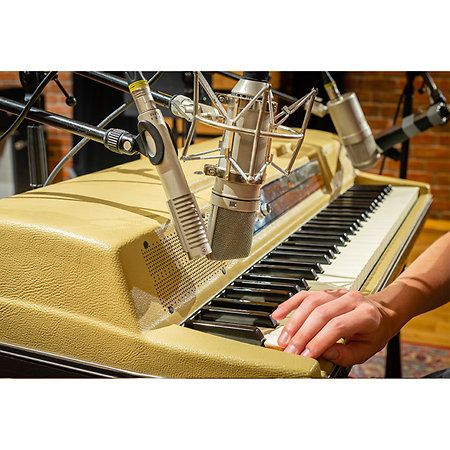
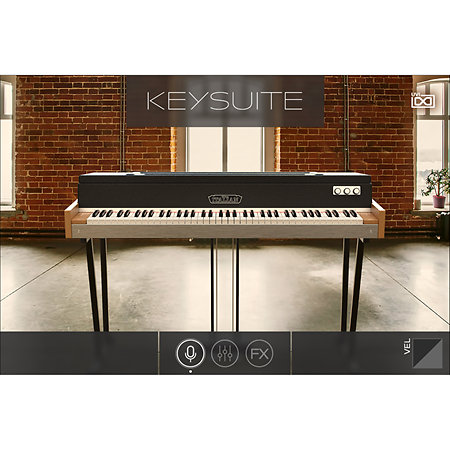
Key Suite Electric by UVI is the most complete collection of electric keyboards, with 63 carefully sampled instruments to enrich your music.
ARTICLE N° 67623
UVI - Key Suite Electric
UVI - Key Suite Electric
165,83 €
excl VAT
Anais
Tristan
Do you need help?
Presentation
UVI's Key Suite Electric is so complete and so well thought-out that you're bound to find something to suit all your musical projects.
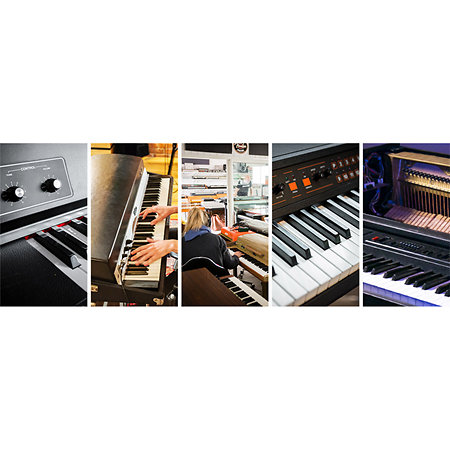
Where other editors work wonders when only one note is played at a time, UVI Key Suite Electric achieves the performance of being exceptionally close to the real instruments in all playing styles: melodies - leads, chords, fast and dry playing, playing with large dynamic changes, etc. Key Suite reacts to your playing just like the original instruments!
And to see for yourself, watch the video presentation below.
Where other editors work wonders when only one note is played at a time, UVI Key Suite Electric achieves the performance of being exceptionally close to the real instruments in all playing styles: melodies - leads, chords, fast and dry playing, playing with large dynamic changes, etc. Key Suite reacts to your playing just like the original instruments!
And to see for yourself, watch the video presentation below.
Features
AAX Native
Yes
Audio units
Yes
Autonomous
Yes
Other features
-
UVI Key Suite Electric, electronic licence sent by e-mail, sound banks to download
-
Size: 14.40 GB (FLAC lossless encoding, previously 62.95 GB WAV)
-
Content: 476 presets, 53,562 samples
-
Sampling frequency: 44.1 kHz (recorded at 88.2 kHz)
-
Licence: 3 simultaneous activations per licence for any combination of machines or iLok keys
-
Technical recommendations:
-
Works on UVI Workstation version 3.0.5+, and Falcon version 1.6.6+.
-
An iLok account (free, optional key)
-
An internet connection is required to activate the licence
-
Supported operating systems:
-
Mac OS 10.8 to macOS 10.14 Mojave (64-bit)
-
Windows 8 to Windows 10 (64-bit)
-
15 GB free hard disk space
-
Hard disk: 7,200 rpm recommended or Solid State Drive (SSD)
-
4 GB RAM but 8 GB or more is strongly recommended
-
Compatibility :
-
Formats supported: Audio Units, AAX, VST, Stand-alone
-
Tested and certified for : Digital Performer 8+, Pro Tools 11+, Logic 9+, Cubase 7+, Nuendo 6+, Ableton Live 8+, Studio One 2+, Garage Band 6, Maschine 1 & 2, Tracktion 4+, Vienna Ensemble Pro 5+, Reaper 4+, Sonar X3, Main Stage 3, MuLab 5.5+, FL Studio, Bitwig 1+, Reason 9.5+.
-
List of slat pianos :
-
EPiano Italian (A very rare Davoli Pianoforti C77 made in Italy in 1972, an instrument never sampled until now)
-
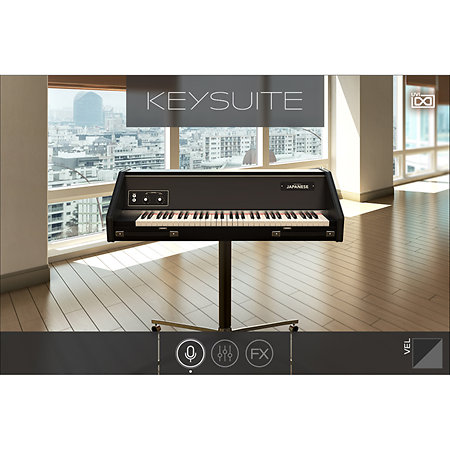
EPiano Japanese (An instrument combining a Wurlitzer and a Rhodes, made by Nippon Columbia in 1962 and sampled for the very first time)
-
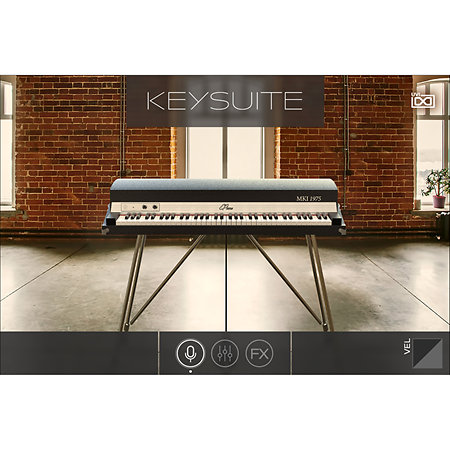
EPiano Mk I 1975 (One of the very first examples of the Fender Rhodes Mark I with its characteristic warm sound)
-
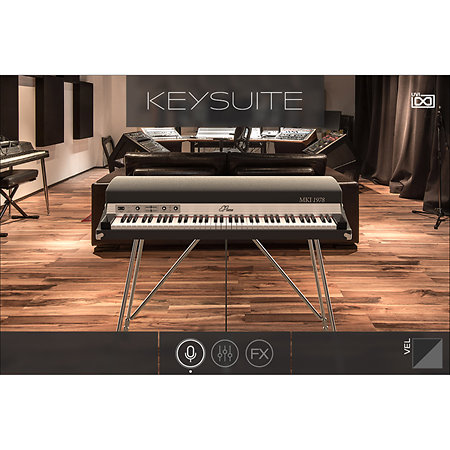
EPiano Mk I 1978 (A Mark I with a particularly brilliant sound)
-
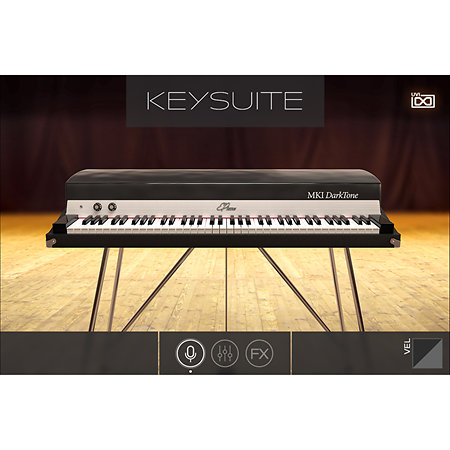
EPiano Mk I Dark Tone (A Mark I customised specifically to obtain a darker, slightly veiled sound)
-
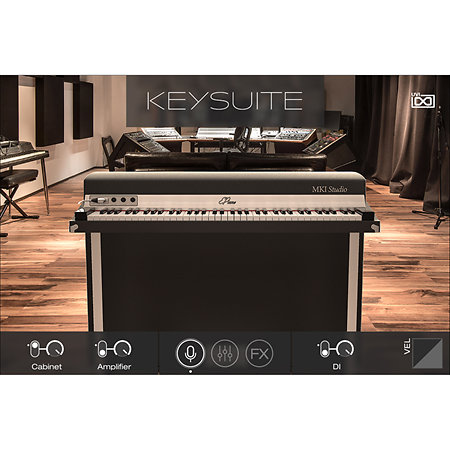
EPiano Mk I Studio (A Mark I recorded with three sources to mix: the direct signal, the signal from a cabinet picked up by a microphone and the signal from an amp)
-
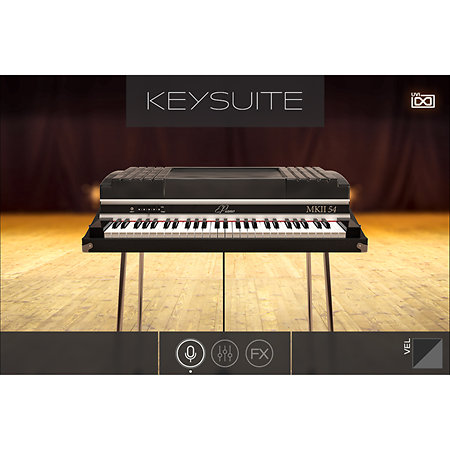
EPiano Mk II 54 Keys (A Mark II with a very balanced, bewitching sound and a very specific release)
-
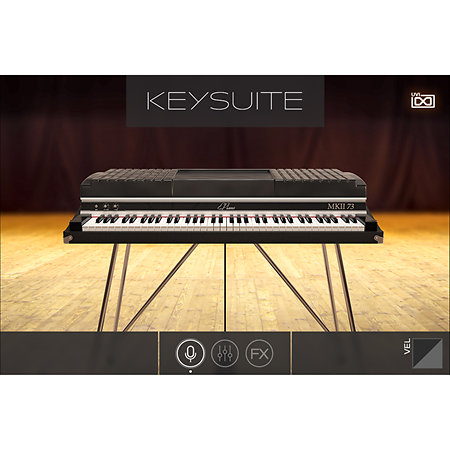
EPiano Mk II 73 Keys (A typical example of the 73-key Mark II, this one with exceptional dynamics)
-
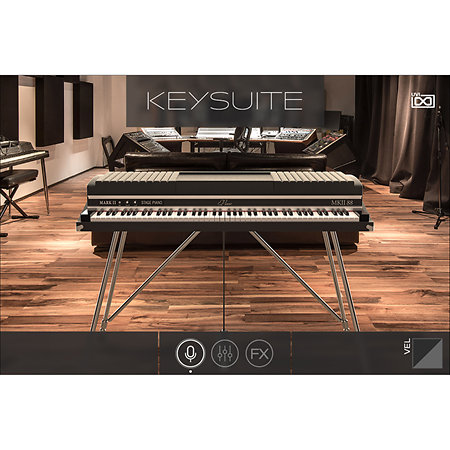
EPiano Mk II 88 Keys (An 88-key version of the Mark II, with a particularly dark, powerful sound)
-
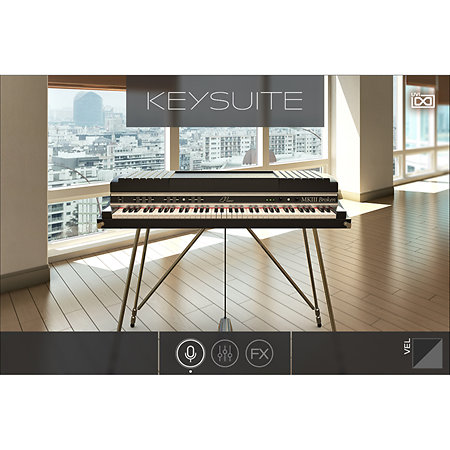
EPiano Mk III Broken (A broken but usable Mark III that retains an excellent sound, for use when you need a sound with character)
-
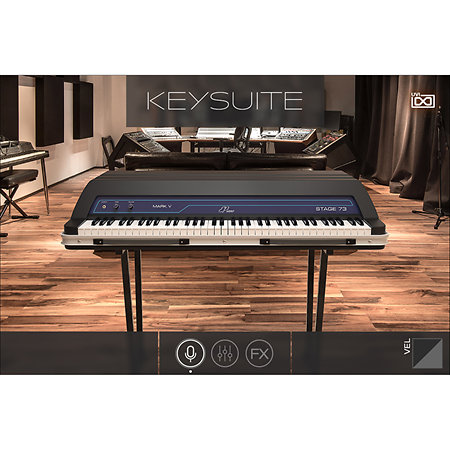
EPiano Mk V (The revised Mark V, a magnificent Rhode)
-
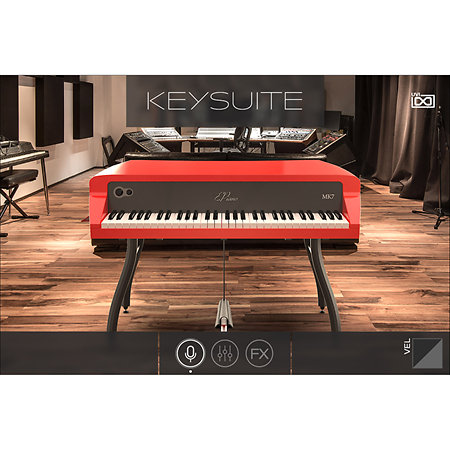
EPiano Mk 7 (A modernised version of this classic with a clear, brilliant sound)
-
EPiano Student Gold (The first reeded electronic student piano, fully restored and tuned)
-
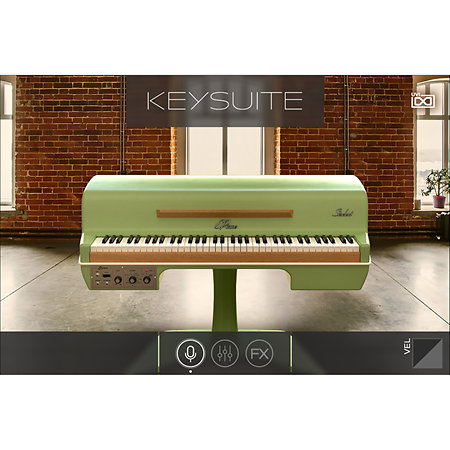
EPiano Student Green (Another example of the electronic student piano, this one with a brighter sound)
-
List of analogue keyboards :
-
Analog P16 (An underrated classic released in 1979, the feel of a grand piano with a magnificent sound)
-
AP 09 (A small electronic piano with unexpected charm, deeply multi-sampled)
-
AP-30 (Released in 1974, this was the first instrument of its kind to feature a velocity-sensitive keyboard)
-
CPiano 10 (A fully analogue Yamaha electronic piano in a compact format with exceptional sounds)
-
CPiano 30 (A large-format electronic piano manufactured in 1976 and featuring an impressive wooden case)
-
CPiano 35 (Released after the CP30, it features a vastly improved sound engine)
-
Custom 88 (One of the strangest electronic pianos of the 1980s, with a charming sound)
-
InterContinental 7 (An Italian rarity from Viscount, manufactured in the 1970s and featuring a unique electronic circuit)
-
RMI Keys (The American RMI ElectraPiano, very special and with a unique sound character)
-
List of electro-acoustic pianos :
-
Cembalet (A model of Hohner Cembalet electric piano with free reeds dating from the 1950s)
-
Cembalino (An extremely rare Italian electric harpsichord made by Farfisa in the 1960s)
-
Claviset (The Weltmeister Claviset, a rare German free-reed electric piano made in the 1960s)
-
Electra Piano T (A rare stage version of the Hohner Electra Piano)
-
Electra Piano 1 (The Hohner free-reed electric piano, famous for having been used by Led Zeppelin)
-
Electra Piano 2 (A more saturated version of the Electra Piano)
-
Planet Clav Duo (One of Hohner's rarest models, combining a Pianet and a Clavinet)
-
Planet M (The Hohner Pianet M, an electro-mechanical piano made in Germany in the 1970s)
-
Planet N (The Hohner Pianet N recorded with an additional acoustic microphone)
-
Sanza Keys (A free-reed UFO recorded with an additional acoustic microphone)
-
List of bass pianos :
-
Combo Bass (A rare bass version of a German free-reed electric piano)
-
El Toro (A legendary foot-operated analogue bass synth from the 70s)
-
EPiano Bass 1965 (A slatted electric piano built specifically for the low register)
-
EPiano Bass Custom (An electric bass piano with slats set at a lower intensity)
-
EPiano Bass Extended (An extended 48-key version of the electric bass piano with reeds)
-
EPiano Bass Gold (A model of the slatted electric bass piano with a round, powerful sound)
-
EPiano Bass Salmon (A slightly more advanced and edgy version of the electric slat bass piano)
-
K-Bass 1 (A more obscure and original bass synthesiser)
-
K-Bass 2 (The second iteration of the Hohner Bass, reworked with additional sounds)
-
K-Bass 3 (The third iteration of the Hohner Bass features an essentially cosmetic update)
-
List of free reed pianos :
-
W 140B (An electric reed piano using a transistor circuit for a dark but innovative timbre)
-
W 145 Tubes (A free-reed electric piano using tubes for a soft, silky tone)
-
W 200 (The most classic of the free-reed electric pianos, with its characteristic brilliance and presence)
-
W 200 Studio (A Studio version of the model 200 recorded with three sources to mix: the direct signal, the signal from a cabinet picked up by a microphone and the signal from an amp)
-
W 270 Butterfly 1 (One of the last free-reed electric pianos produced, a rare beauty with an exquisite sound)
-
W 270 Butterfly 2 (Another example of the 270 with a darker character and a fuller sound)
-
List of electric pianos :
-
CPiano 60M (A rare upright electric piano that has never been sampled, with the possibility of mixing the direct signal and that of the microphones)
-
CPiano 70 (The famous electric grand piano of the 1970s and 80s, with DI and pickup signals that you can mix)
-
CPiano 80 (This 88-key model of the CPiano 70 is one of the heaviest ever offered, with an extended note range)
-
KPiano 300 (The Kawai EP-308, an 88-key electro-acoustic quarter-tail, similar to the CPiano 80)
-
KPiano 600 (The Kawai EP-608, a 73-key electro-acoustic quarter-tail that lets you mix direct and amp signals)
-
KPiano 700M (The Kawai EP-705M, an 88-key electro-acoustic piano whose direct signal can be mixed with that of the amp)
-
Roadmaster 64 (The Helpinstill Roadmaster 64, an American electro-acoustic upright piano)
-
List of keyboards :
-
Clav Model C (The Hohner Clavinet C, a smaller, portable version released after the Model I)
-
Clav Model D6 (The D6 is an improved version of the Model C released in 1971. It is the most popular Clavi and has been used by the greatest)
-
Clav Model E7 (The successor to the D6 and dressed all in black, we've prepared it for a slightly more aggressive sound with lots of character)
-
Clav Model I (The original Hohner Clavinet released in 1964)
-
Clav Model L 1 (The Hohner Clavinet L1, released in 1968 for the domestic market)
-
Clav Model L 2q (A later model released in the 1970s with a very different sound character)
-
Clav Model Viba (A modern reissue of the classic instrument, featuring an improved preamp section)
To find out more...
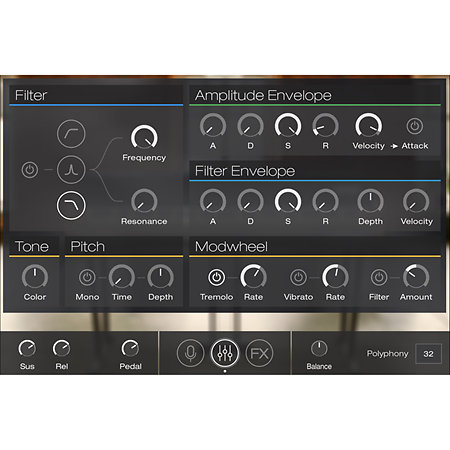
The quality of the virtual instruments is the result of an alchemy between :
- audio 'engine' (the one developed by UVI is exceptional)
- samples recorded with the right equipment and on the right instruments
- scripting (the way the samples are arranged)
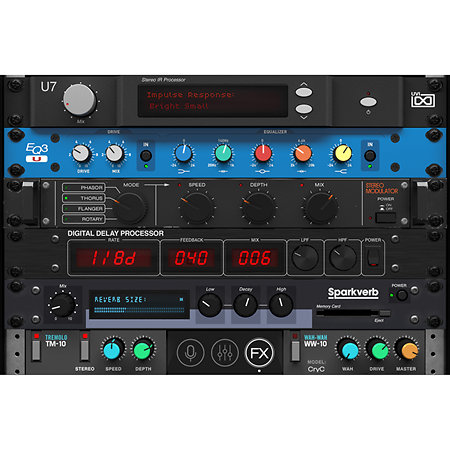
- effects
- audio 'engine' (the one developed by UVI is exceptional)
- samples recorded with the right equipment and on the right instruments
- scripting (the way the samples are arranged)
- effects
Videos
Additional documents
Spotlight on

Equivalent products




Tops of the brand





UVI - Key Suite Electric
165,83 € excl VAT